

By Catalina Rodriguez
Tastes worth keeping. A guide to cooking with intention, trimming the excess without losing identity, and serving with coherence.
One-third of the food the world produces is never eaten.
A figure that feels remote—until it happens before your eyes: a tray that returns untouched, a fruit that never makes it to the buffet, a generous portion nobody ordered. In hospitality, these everyday gestures carry weight. Not only in kilos, but in water, energy, land, time—and reputation.
Because today, luxury is not abundance; it is coherence.
Across North America, the average guest is linked to more than 250 kg of food waste per year. And yet most hotels have no idea how much they discard, or why. Measuring is not a luxury—it is the first act of operational responsibility, the starting point for savings, efficiency, and the story truly worth telling.
Up to 70 % of a hotel’s waste is organic, and almost all of it avoidable. The Commission for Environmental Cooperation sums it up neatly: “Weigh for one week, and you’ll know where your profit leaks.”
The return is documented: US $14 for every dollar invested in reduction programs.
Meanwhile the clock is ticking: by 2050 the planet will host over ten billion people. Feeding them won’t be only agriculture’s job—it will fall on those who decide how much to serve, and how to avoid waste.
2. Behind the Swinging Door

In the FLW universe (Food Loss & Waste) two realities coexist:
- Food loss—Damage before ingredients reach your kitchen: harvest, transport, storage. Harder to control day-to-day, but crucial when choosing suppliers.
- Food waste—What happens inside your property: purchases, prep, plate returns. Here is where your hotel holds the wheel.
And that is precisely where transformation begins.
3. Thirty Days. Seven Are Enough to See

Reducing waste isn’t decreed; it’s cultivated. The CEC offers a refined, agile roadmap:
Week 1 · Audit
Digital scale, clean bin labeled “Waste,” and a log sheet (weight / item / reason). For seven days, everything discarded is weighed and recorded. No drama—just data.
Week 2 · Adjust
With a clear diagnosis, act:
• Reduce portions that come back untouched.
• Buy to real turnover, not intuition.
• Give trimmings a second life (croutons, stocks, snacks). Share numbers with the brigade—transparency fuels commitment.
Week 3 · Communicate
Make progress visible: “This month: 12 % less leftover bread.” Add a discreet note to the buffet or digital menu: “We measure what isn’t eaten so we can serve what truly matters.”
Week 4 · Scale
• Weigh again.
• Set a fresh target (another –10 %).
• Consider on-site composting or local partners.
• Explore simple tracking apps.
Repeat monthly. No fancy software required—just discipline and vision.
4. Sustainability, Straight Up
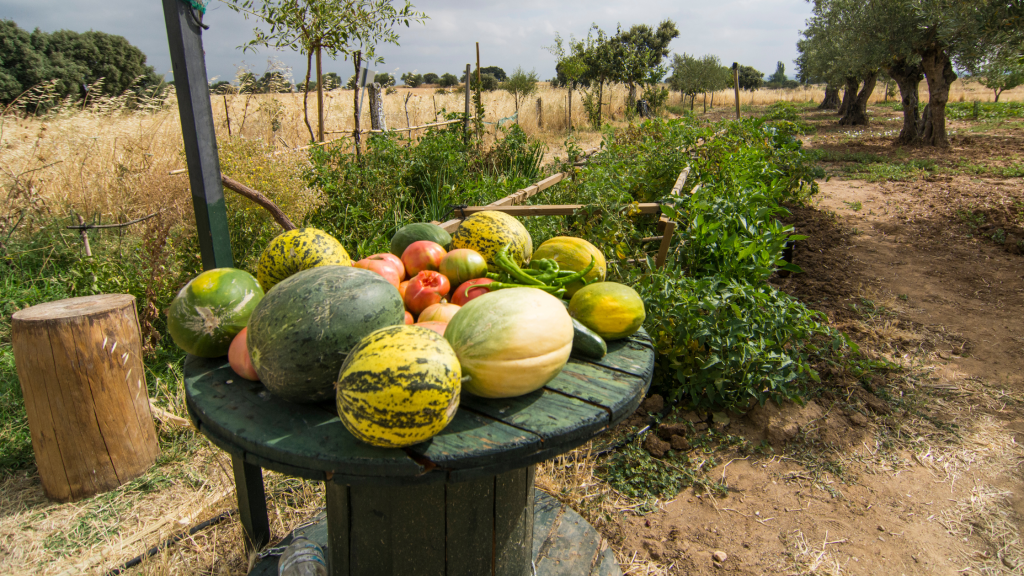
According to the UN Tourism & WWF sourcing guide, three fail-safe filters:
- Local — Fewer kilometres, more flavour.
- Seasonal — Peak taste; optimal price.
- Minimal packaging — Less waste from the outset.
Apply these filters first to your highest-cost ingredients. Your ledger—and the planet—will thank you
5. The Story a Guest Can Taste
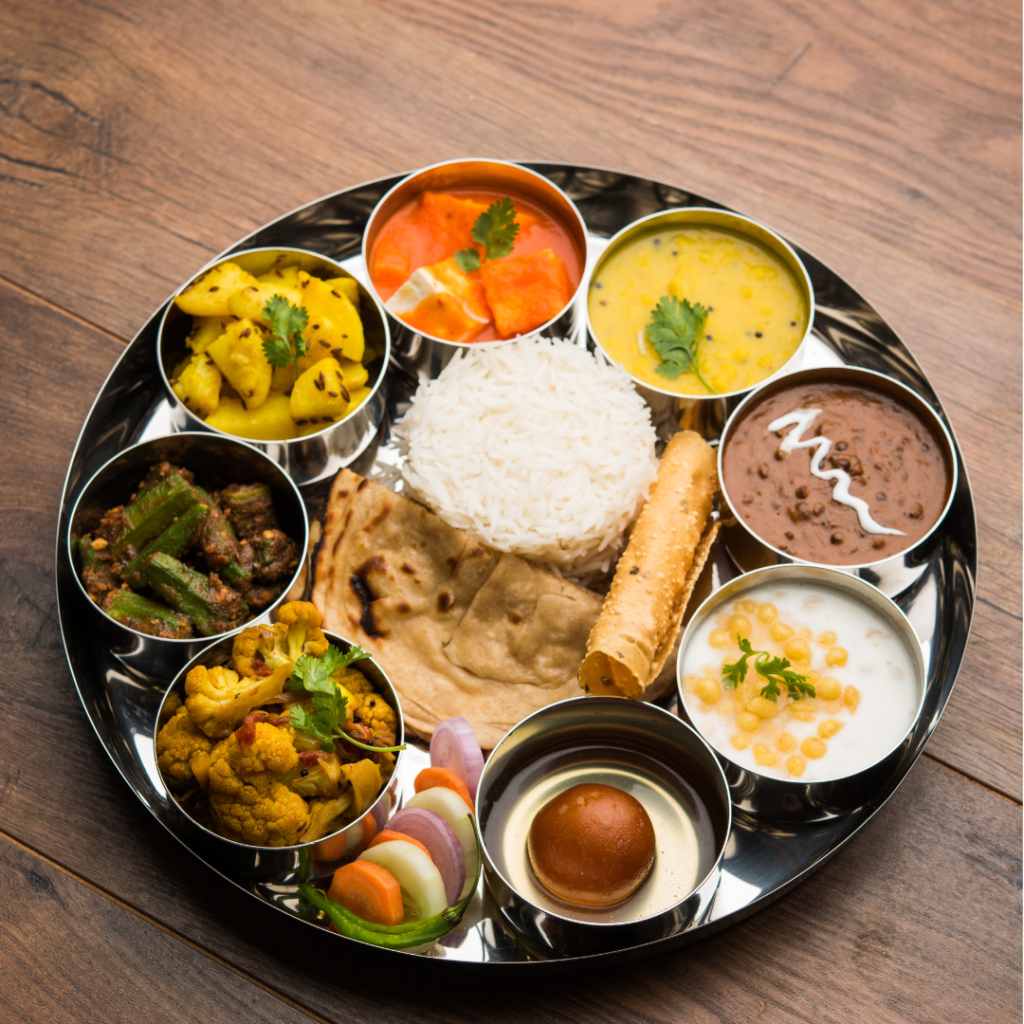
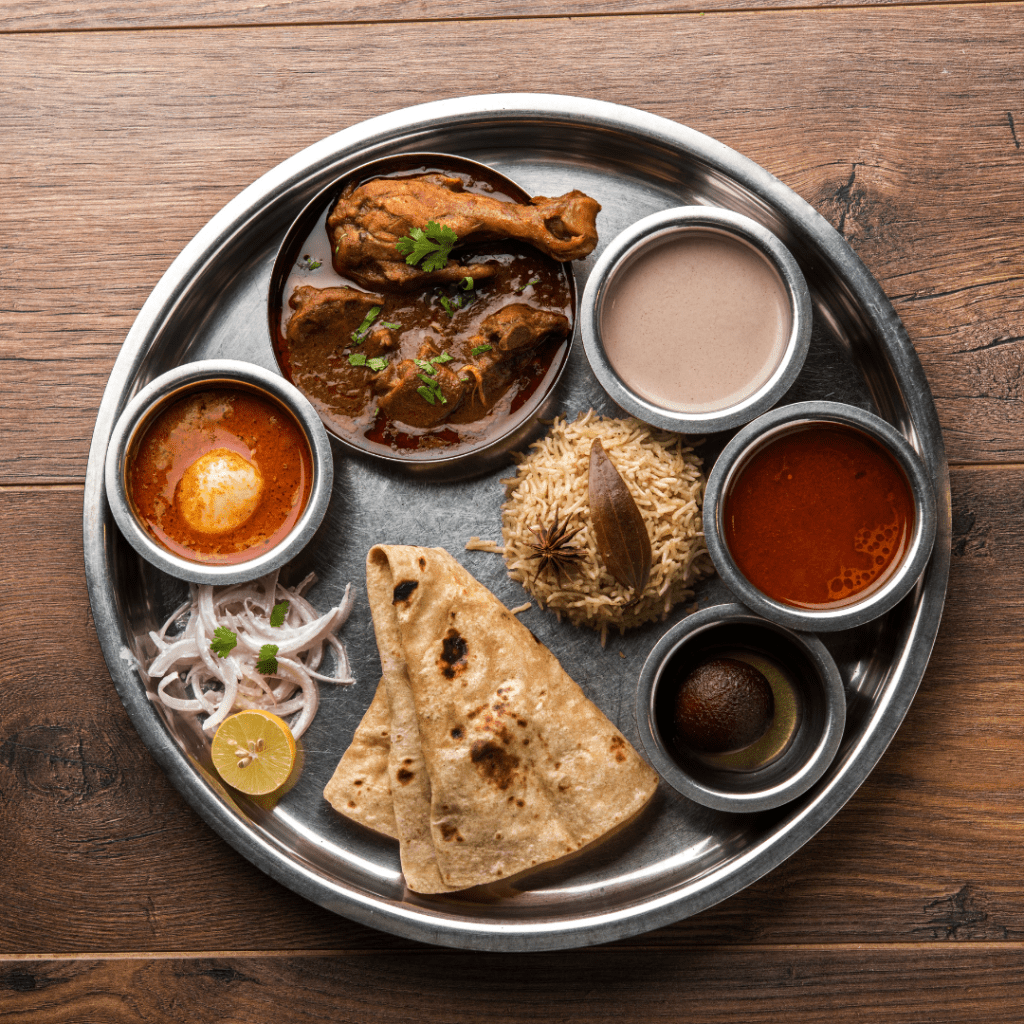
Sustainability is also savoured. A right-sized portion says more than a thousand statements.
Meaningful sustainability isn’t shouted; it’s sensed. Balanced servings, regional produce, a discreet sign explaining where leftovers go. Guests notice, share, and return. Your kitchen leaves its mark not in the bin, but in the traveller’s memory.
References
- UN Tourism (2023). Module 3.1 – A Guide to Food Loss and Food Waste. Madrid.
- Commission for Environmental Cooperation (CEC) (2021). Why and How to Measure Food Loss and Waste: A Practical Guide – Version 2.0. Montreal.
- UN Tourism & WWF (2023). Module 2.1 – A Guide to More Sustainable Sourcing. Madrid.
 Hoteles y restaurantes Sostenibles
Deja un comentario